
The Cognitive Benefits of Learning to Fly
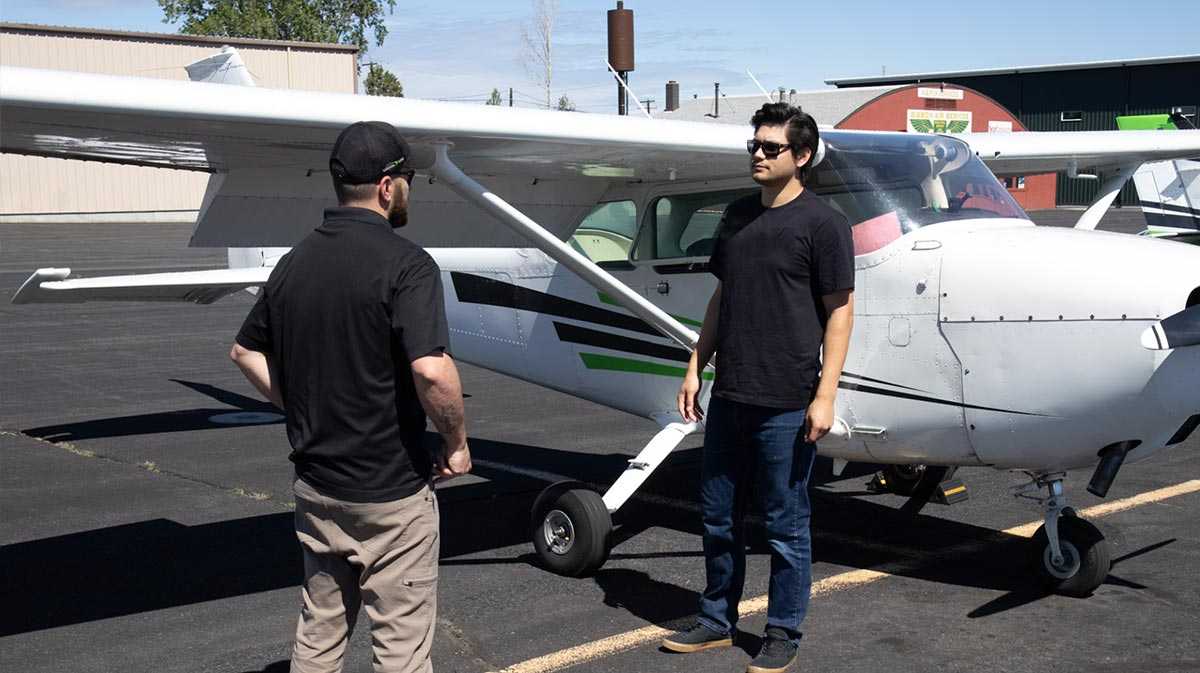
Learning to fly an aeroplane is a quest that goes well beyond the development of a useful talent. It’s a deeply engaging process that profoundly impacts the human mind, fostering a suite of cognitive enhancements that can permeate various aspects of life. From sharpening focus and bolstering spatial reasoning to cultivating rapid decision-making and enhancing stress management, the journey to becoming a pilot offers a unique and powerful form of cognitive training.
- Enhanced Attention and Focus
The cockpit environment demands unwavering attention. Pilots must constantly monitor a multitude of instruments, listen to air traffic control instructions, and remain acutely aware of their surroundings. This constant need for vigilance actively trains the brain’s attentional networks. Unlike passive forms of information consumption, flight lessons in Florida requires sustained and selective attention, filtering out distractions and focusing on critical information.
This heightened focus isn’t confined to the cockpit; studies have shown that individuals who engage in activities requiring intense concentration, such as flying, often exhibit improved attention spans and reduced susceptibility to distractions in their daily lives. The mental discipline cultivated during flight training translates to a greater capacity for focused work, enhanced learning abilities, and improved performance in tasks requiring sustained concentration.
- Sharpened Spatial Reasoning and Navigation Skills
Flying inherently involves navigating a three-dimensional environment. Pilots must develop a strong mental model of their position relative to the ground, other aircraft, and navigational aids. This necessitates a significant improvement in spatial reasoning abilities. Learning to interpret maps, understand aircraft instruments that depict spatial orientation (like the attitude indicator and heading indicator), and visualize flight paths in three dimensions actively exercises the brain regions responsible for spatial awareness.
- Accelerated Decision-Making under Pressure
The dynamic nature of flight often presents situations requiring swift and accurate decision-making. Pilots are trained to analyze information rapidly, evaluate potential risks, and choose the most appropriate course of action, often within tight time constraints. This constant exercise in rapid decision-making under pressure forges stronger neural pathways associated with executive functions, particularly those involved in evaluating options and predicting outcomes. The ability to remain calm and think clearly in demanding situations, honed in the cockpit, is a valuable asset in various life domains, from professional challenges to personal emergencies. Learning to manage the inherent pressures of flight cultivates a resilient and decisive mindset.
- Improved Working Memory and Cognitive Flexibility
Flying requires pilots to hold and manipulate a significant amount of information in their working memory simultaneously. They must remember checklists, air traffic control clearances, aircraft procedures, and constantly update their mental picture of the evolving flight situation. This constant engagement of working memory strengthens its capacity and efficiency. Moreover, the ability to adapt to changing weather conditions, unexpected equipment malfunctions, or revised air traffic control instructions demands cognitive flexibility – the ability to switch between different tasks or mental sets. Flight training actively cultivates this flexibility, enabling pilots to adapt more readily to novel situations and think on their feet.
- Increased Self-Confidence and Self-Efficacy
Mastering the complexities of flight and successfully navigating the challenges of flight training can significantly boost self-confidence and self-efficacy. Overcoming the initial learning curve, mastering intricate maneuvers, and successfully handling demanding situations in flight contribute to a belief in one’s ability to tackle challenging tasks and achieve ambitious goals. This enhanced self-belief can have a positive ripple effect, encouraging individuals to pursue new challenges and approach life with greater confidence.
- Development of Risk Assessment and Management Skills
A fundamental aspect of pilot training is learning to assess and manage risk effectively. Pilots are taught to identify potential hazards, evaluate their likelihood and severity, and implement strategies to mitigate those risks. The ability to analyze potential consequences and make informed decisions based on a careful evaluation of risk is a valuable cognitive skill that extends far beyond aviation, influencing decision-making in personal finance, career choices, and everyday life.
Conclusion
Learning to fly is far more than just acquiring the ability to operate an aircraft. It’s a rigorous and rewarding cognitive workout that yields a multitude of mental benefits. By demanding sustained attention, sharpening spatial reasoning, accelerating decision-making, enhancing working memory, fostering problem-solving abilities, boosting self-confidence, and cultivating risk management skills, flight training offers a unique pathway to cognitive enhancement.


